
Kingmaker Casino is an online casino operator, and the initial thing I examine isn’t how loud the homepage looks. It’s whether the platform underneath remains solid. A casino platform is a set of systems: game lobby and providers, player wallet, bonus engine, identity verification, payment processing, responsible-gambling controls, and the interface that ties them. When those parts work, I can go from browsing slots to a live-dealer table, accept an offer, deposit, and submit a withdrawal without wondering what happens next. When they don’t, the brand may still look polished, but the experience falls short where it matters. I evaluate Kingmaker Casino the same manner I evaluate any operator: can I discover key information quickly, are the terms transparent, and does the platform perform the same on desktop and mobile? That’s the actual test behind the phrase ‘great casino software.’
What precisely a Casino Platform Does in Practice
A casino homepage acts as a shop window. Underneath, it represents a set of services that must agree with one another. The game aggregator provides titles from multiple studios. The wallet records deposits, wagers, wins, and withdrawals. The bonus engine enforces wagering rules and game weightings. The verification layer validates identity and age. The payment stack routes money through the methods the operator supports. Kingmaker Casino’s homepage needs to make the main categories easy to reach, including slots, table games, live dealer tables, and any instant-win or jackpot sections the operator carries, while keeping the cashier and terms visible. I seek consistency between what the lobby promises and what the terms confirm. If a game appears in a bonus section, I expect to find out whether it contributes fully, partially, or not at all to wagering. If a payment method appears at deposit, I want to know whether it also works for withdrawals. A good platform doesn’t hide those links. It makes them predictable.
Game Aggregation and Category Breadth

The variety of game types counts, but not in the manner a simple game count suggests. I’d rather see a nau.ch lobby with clearly labelled slots, table games, live casino, and instant or crash-style titles than a huge grid that’s challenging to navigate. On Kingmaker Casino, I’d check whether search and filter tools enable me to organize by provider, game type, volatility, or options such as free spins and bonus buys where those options exist. I’d also seek demo play on eligible slots, because it allows me to try mechanics before risking money. Provider names are a useful clue: established studios usually release RTP ranges and volatility information, and live-dealer suppliers distinguish themselves in table limits, languages, and show formats. The exact number of games and studios counts less than whether the categories are genuinely functional and whether the terms correspond to the lobby labels. A platform that features thousands of titles but obscures the cashier or mislabels bonus eligibility is weaker than a smaller, better-organised library.
The Bonus Engine and Its Fine Print
The main promotion is only as good as the mechanism that administers it. Common casino bonus types include a welcome deposit match, free spins, reload offers, cashback, and loyalty or VIP rewards. Kingmaker Casino’s promotions page should specify which type is relevant, who is eligible, the minimum deposit, the wagering requirement, the maximum bet allowed while a bonus is active, game weighting, expiry, and any maximum win or withdrawal cap. Those details represent small print in the pejorative sense. They establish whether an offer is usable. A 100% match with a high wagering requirement and a short expiry can be inferior than a smaller offer with clearer terms. I also check whether bonuses are optional, because a player may prefer to keep the account free of wagering conditions. The real cost of a bonus is the restriction it places on withdrawals and play. Before opting in, I’d compare the terms with my normal stake size and the games I actually play.
Licence oversight, Safety, and Responsible Play
A licence isn’t a decorative badge. It indicates which governing body establishes the standards and where I can complain if something malfunctions. I examine the casino’s footer, terms, and about page for the company behind the site, the licence authority, and a licence reference. I don’t rely on a logo alone. Whenever feasible, I compare the operator against the regulator’s public register. Safety matters at every step: the site should use SSL encryption, safeguard login details, and detail how player funds are handled. Equity depends on verified random number systems and disclosed game mechanics, while AML regulations explain why KYC requirements appear before withdrawals. Kingmaker Casino should present this information clearly without making users dig through the terms. I also look for clear responsible-gambling tools, because a platform that promotes gambling but hides limits isn’t a platform I’d recommend. A licence is the start of due diligence, not the conclusion.
Responsible Gambling Controls That Really Count
Player protection is often reduced to a logo and a link, but the tools behind that link are what count. I expect to find deposit limits, loss limits, wager limits, session reminders, reality checks, time-outs, and self-exclusion options that are straightforward to activate and not easily cancelled. The platform should describe how limits apply, per day, week, or month, and whether lowering limits is instant while higher limits have a delay. I also verify whether the casino directs players to independent support organisations and whether staff are prepared to respond to requests for help. These tools should work on mobile as well as desktop, because a player may want to establish a boundary late at night. On Kingmaker Casino, I’d check the user controls before playing seriously, not after a losing session. A platform that displays restrictions clearly is showing that it values ongoing customer confidence more seriously than short-term turnover.
Transactions, Transaction Speed, and the Real Cost of Ease
Transaction quality is where a casino platform either values a player’s time or misuses it. I start at the cashier and review which methods are supported for deposits and withdrawals, the minimum and maximum limits, the stated processing times, and whether the operator imposes a fee. Typical online casinos support debit and credit cards, e-wallets, bank transfers, prepaid vouchers, and sometimes cryptocurrencies, but options vary by operator and jurisdiction. Processing times vary too: e-wallets are often rapid once approved, card withdrawals can take several business days, bank transfers may take additional time, and crypto transfers depend on network confirmations and the operator’s review. The platform should display these differences before I commit. I also verify whether a deposit method must correspond to the withdrawal method and whether identity verification is mandatory before the first payout. A fast deposit isn’t useful if the withdrawal path is unclear. At Kingmaker Casino, I’d read the cashier terms and test the process with a small amount before depending on it.
How I Compare Deposit and Withdrawal Routes
I analyze payment routes on four points: speed, cost, limits, and reversibility. E-wallets can be handy and fast, but they may carry provider fees or restrict certain players. Cards are common, yet withdrawals can be slower and some issuers process gambling transactions differently. Bank transfers often work for larger amounts but can feel delayed, while crypto can move quickly but adds wallet-management risk and network costs. Prepaid methods may function for deposits but not withdrawals. The best route varies by the player’s priorities. Before depositing, I’d check the minimum deposit, any maximum cashout per transaction or per period, foreign-exchange costs, and whether the casino applies a pending period before processing a withdrawal. I’d also confirm whether the cashier lists a fee schedule clearly rather than leaving it to the payment provider. On Kingmaker Casino, the practical test is simple: can I find the method, limit, fee, and expected timing in one place, and does the support team verify the same details when contacted?
Mobile Performance and Screen Layout
Many gamblers will come across a casino platform on a phone first, so mobile performance is a primary concern. I examine whether the lobby opens fast over an ordinary connection, whether the games work without installation without a download, and whether the cashier and account settings are usable on a small screen. A good mobile casino maintains the same account balance, bonus status, and verification state as the desktop site. I prefer not to repeat steps because I changed devices. I also look at navigation: can I search for a game, filter by category, return to a recent title, and find support without pinching or scrolling through clutter? Live-dealer tables require stable streaming, and slot titles require responsive controls. Kingmaker Casino ought to be judged on these concrete points rather than on whether the mobile page only seems up-to-date. If a game stutters, a menu obscures the cashier, or the terms are illegible on a phone, the platform needs more work.
What Good Mobile Design Looks Like
Good mobile design prioritizes usability over aesthetics and more about streamlining the experience. I expect a clear balance display, a direct route to the cashier, clear game categories, and a search field that works with partial names. Buttons should be large enough to tap without error, and important terms should be legible without zooming. Notifications should be helpful rather than noisy. I don’t need a push alert for every promotion, but I would like to know when a withdrawal is processed or a verification document is rejected. The design should also be mindful of data use: autoplay videos and heavy animations can slow a page on a mobile connection. On casino kingmaker app de, I’d try out the lobby, a demo slot, the cashier, and the support chat on the same device to check if the experience stays cohesive. A platform that performs smoothly on mobile is usually a platform that has accounted for the player’s actual environment, not just the desktop showroom.
How I Evaluate the Platform Supporting the Brand
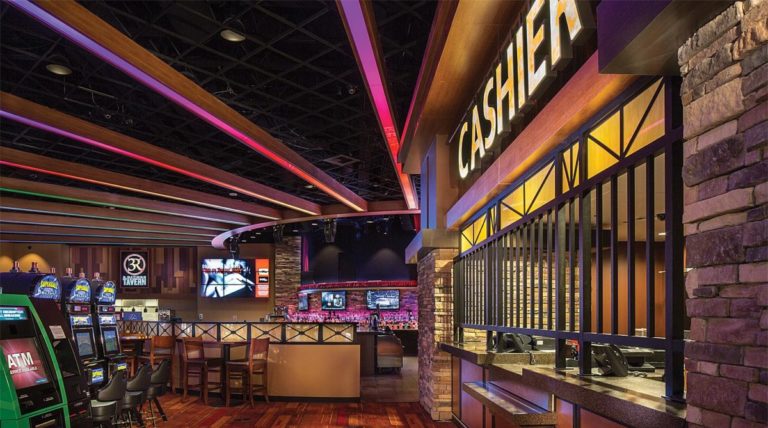
When I evaluate a casino platform, I consider whether the brand’s promises withstand contact with the cashier, the terms page, and a small-screen session. Kingmaker Casino can look strong on a homepage, but the platform relies on the details behind it: a game lobby that’s truly searchable, bonuses whose wagering rules are clear before opt-in, payment routes with apparent limits and timings, a licence that can be confirmed, responsible-gambling controls that work, and mobile performance that doesn’t collapse under normal use. My hands-on approach involves register, verify my identity early, test a small deposit, read the withdrawal terms, and try the support channel before scaling up. That sequence reveals more than any promotional banner. Great casino software isn’t the loudest interface. It is the one that makes the important steps consistent. That’s the standard I would apply to Kingmaker Casino and to any operator competing for long-term trust.